April 21, 2023 Gym
April 21, 2023 Gym
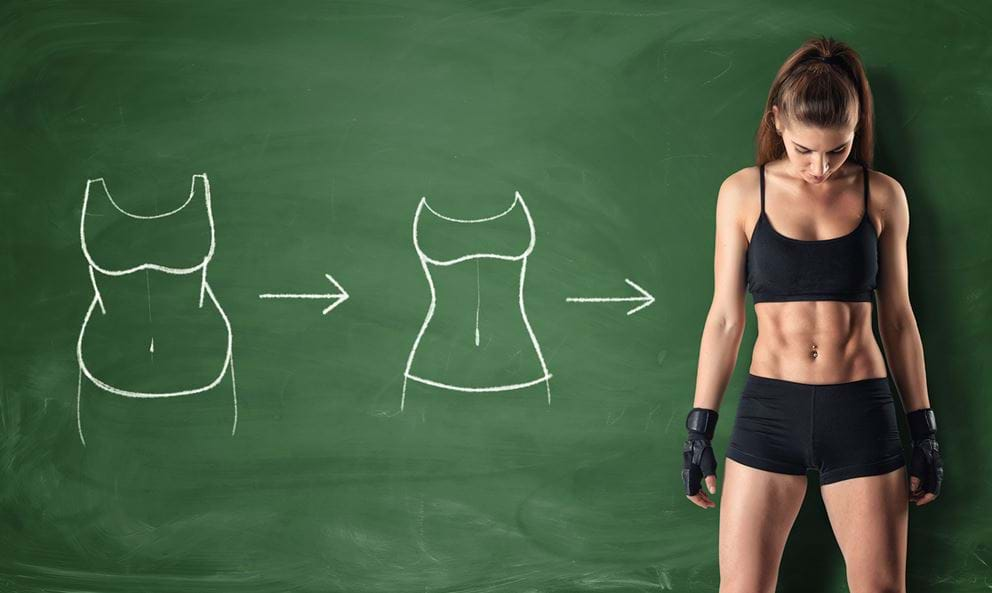
When people begin a new fitness routine, the first instinct is usually the same.
Work out every day. Push harder. Get results faster.
It sounds logical. If exercise is good, more exercise must be better.
But anyone who has trained consistently learns quickly that the body does not work that way.
Real progress comes from a balance between training and recovery. The right amount of effort, paired with the right amount of rest, allows the body to adapt and grow stronger.
At Sherpa in Westport, CT, we help clients find that balance. Our goal is not just to help people lose weight or burn body fat. Our goal is to build strength, confidence, and long term capability.
That philosophy is simple. Train with intention so you can Move Your Boundaries and enjoy life Beyond the Gym.
When people are motivated to lose weight, they often try to train every day.
At first it feels productive. But before long the body starts to push back.
Fatigue increases. Performance drops. Motivation declines.
Without adequate recovery, workouts become less effective and the risk of injury increases.
Strength training and metabolic workouts create microscopic stress within the muscles. The body repairs and rebuilds those muscles during recovery.
That recovery process is where progress actually happens.
Without it, the body never fully adapts.
This is why intelligent training programs always include rest days and lower intensity sessions.
At Sherpa, training is structured to support long term progress rather than short bursts of unsustainable effort.
There is no single answer that works for everyone. The ideal number of workouts per week depends on several factors.
These include:
Current fitness level
Training experience
Recovery capacity
Lifestyle and schedule
Individual goals
That said, most active adults see excellent progress with a routine that includes three to five training sessions per week.
A balanced week often includes a mix of:
Strength training sessions
Conditioning or cardio work
Mobility or recovery days
For many people in Westport and Fairfield County who live busy professional lives, three well structured workouts per week can deliver outstanding results.
Consistency matters far more than volume.
Training smarter is always more effective than simply training more.
One of the most common mistakes people make when trying to lose body fat is relying only on cardio.
Cardio burns calories during the workout. Strength training changes how your body burns energy all day.
Strength training builds lean muscle tissue. Muscle increases metabolic demand, meaning your body uses more energy even when you are at rest.
It also produces a metabolic effect known as Excess Post Exercise Oxygen Consumption. After a challenging strength workout, your body continues using additional oxygen and energy while recovering.
This extended metabolic response helps support fat loss over time.
Strength training also becomes increasingly important with age. Muscle mass naturally declines as we get older, which can slow metabolism and reduce physical capability.
Maintaining strength allows people to stay active, maintain mobility, and continue enjoying the activities they love.
That is why strength development is a core part of training at Sherpa.
Many people assume longer workouts produce better results.
In reality, workout quality matters far more than workout length.
Most effective training sessions fall between 30 and 60 minutes when they are well structured.
Long workouts that stretch beyond 90 minutes often lead to diminishing returns.
For busy professionals in Westport, shorter focused sessions are often more sustainable. Structured strength sessions that emphasize proper technique, progression, and intensity can deliver significant results in a relatively short amount of time.
At Sherpa, workouts are designed to be efficient and purposeful. Every movement has a role within the overall training plan.
For many adults beginning a strength and conditioning routine, a balanced week might look something like this:
2 to 3 strength training sessions
1 to 2 conditioning sessions
1 to 2 recovery or mobility days
This structure allows the body to build strength while maintaining cardiovascular health and allowing time for recovery.
Because every person responds differently, programs should always evolve as strength, mobility, and endurance improve.
This is where coaching and assessment become valuable.
Many effective exercises do not require complex equipment. Simple movements performed with proper technique can create powerful training results.
At Sherpa, we emphasize foundational movements that train multiple muscle groups and build functional strength.
Each movement should always be performed with proper form. Our coaches guide clients through technique, breathing patterns, and tempo to ensure the correct muscles are doing the work.
As clients progress, we introduce variations and subtle form adjustments that increase effectiveness and challenge the body in new ways.
These details are what turn simple movements into highly productive training tools.
Burpees are a full body conditioning exercise that combine strength and cardiovascular effort.
They challenge the legs, core, chest, and shoulders while elevating heart rate quickly.
Because burpees require coordination and control, proper movement sequencing is important to maintain safe mechanics.
Mountain climbers are a dynamic movement that trains the core while engaging the shoulders and legs.
They also challenge balance and coordination while increasing cardiovascular demand.
Controlled tempo and proper body alignment help maximize the training effect.
The dumbbell squat press combines lower body strength with upper body power.
The squat portion develops the quadriceps, glutes, and hamstrings. The press portion engages the shoulders and arms.
Coaching cues around posture, foot position, and core engagement ensure the movement remains efficient and safe.
Kettlebell swings are one of the most effective movements for developing explosive hip power.
They engage the posterior chain including the glutes, hamstrings, and lower back while elevating heart rate quickly.
Proper hip hinge mechanics are essential to perform this exercise correctly. At Sherpa, we often teach kettlebell swings as part of a progression that builds power and coordination.
Repeating these movements in structured circuits can create effective conditioning sessions while reinforcing good movement patterns.
Progress in fitness rarely happens overnight.
Many people begin noticing improvements in energy, strength, and mobility within the first few weeks of consistent training.
Body composition changes may take longer depending on training frequency, nutrition, sleep, and recovery habits.
It is also common to experience periods of rapid improvement followed by plateaus. These plateaus are normal and often indicate the body has adapted to the current training stimulus.
When that happens, adjustments to programming can help stimulate further progress.
This is another area where coaching can make a significant difference.
Sherpa is not a big box gym. It is a coaching focused training environment designed to help clients build strength, mobility, and long term physical capability.
Every client begins with an assessment so we can understand how their body moves and where improvements can be made.
From there we build structured programs that evolve as strength and fitness improve.
If you want to learn more about the philosophy behind our approach to strength and performance, you can explore Sherpa for Fitness and The Sherpa Way.
Our clients include beginners, active adults, and athletes who want to stay strong for the activities they love.
Because the goal is not simply to exercise.
The goal is to build a body that is ready for life Beyond the Gym.
And to Move Your Boundaries every step of the way.
 https://www.sherpafit.com/wp-content/uploads/2026/09/sherpa-community-open-house-kiin-westport-location-launch.webp
793
1920
Adam Carr
http://www.sherpafit.com/wp-content/uploads/2025/02/Sherpa_West_Logo_White_RGB.png
Adam Carr2026-09-08 13:59:012026-09-09 12:38:51Westport Wellness Businesses Join Forces for Community Open House at 1555 Post Road East
https://www.sherpafit.com/wp-content/uploads/2026/09/sherpa-community-open-house-kiin-westport-location-launch.webp
793
1920
Adam Carr
http://www.sherpafit.com/wp-content/uploads/2025/02/Sherpa_West_Logo_White_RGB.png
Adam Carr2026-09-08 13:59:012026-09-09 12:38:51Westport Wellness Businesses Join Forces for Community Open House at 1555 Post Road East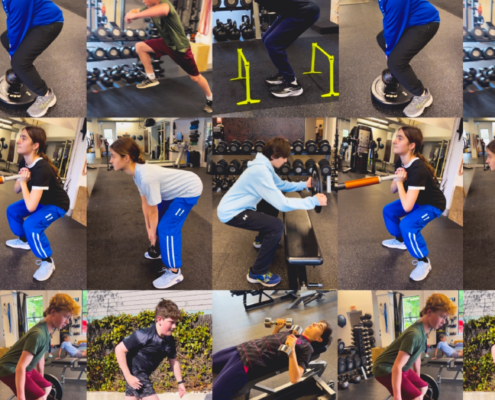 https://www.sherpafit.com/wp-content/uploads/2026/07/youth-athletic-development-westport-ct-sherpa-basecamp.webp
938
1920
Adam Carr
http://www.sherpafit.com/wp-content/uploads/2025/02/Sherpa_West_Logo_White_RGB.png
Adam Carr2026-07-15 10:56:192026-07-16 12:51:08Sherpa Basecamp: Helping Kids Build Strength, Confidence, and a Love for Movement
https://www.sherpafit.com/wp-content/uploads/2026/07/youth-athletic-development-westport-ct-sherpa-basecamp.webp
938
1920
Adam Carr
http://www.sherpafit.com/wp-content/uploads/2025/02/Sherpa_West_Logo_White_RGB.png
Adam Carr2026-07-15 10:56:192026-07-16 12:51:08Sherpa Basecamp: Helping Kids Build Strength, Confidence, and a Love for Movement https://www.sherpafit.com/wp-content/uploads/2026/06/sherpa-trainers-smiling-branded-shirts.webp
938
1920
Adam Carr
http://www.sherpafit.com/wp-content/uploads/2025/02/Sherpa_West_Logo_White_RGB.png
Adam Carr2026-06-12 11:03:242026-07-15 10:37:44Building a Complete Wellness Plan: Why Sherpa Believes in Partnerships
https://www.sherpafit.com/wp-content/uploads/2026/06/sherpa-trainers-smiling-branded-shirts.webp
938
1920
Adam Carr
http://www.sherpafit.com/wp-content/uploads/2025/02/Sherpa_West_Logo_White_RGB.png
Adam Carr2026-06-12 11:03:242026-07-15 10:37:44Building a Complete Wellness Plan: Why Sherpa Believes in Partnerships
Sherpa
1555 Post Road E, Westport, CT.
203-255-2320
info@sherpafit.com


Copyright © 2026 Sherpa.
View our Privacy Policy.

 How to Set Fitness Goals