April 14, 2026 Beyond The Gym

April 14, 2026 Beyond The Gym
When most people think about climbing Mount Everest, they picture ropes, ice axes, and freezing temperatures.
What they do not see is the year of preparation that comes first.
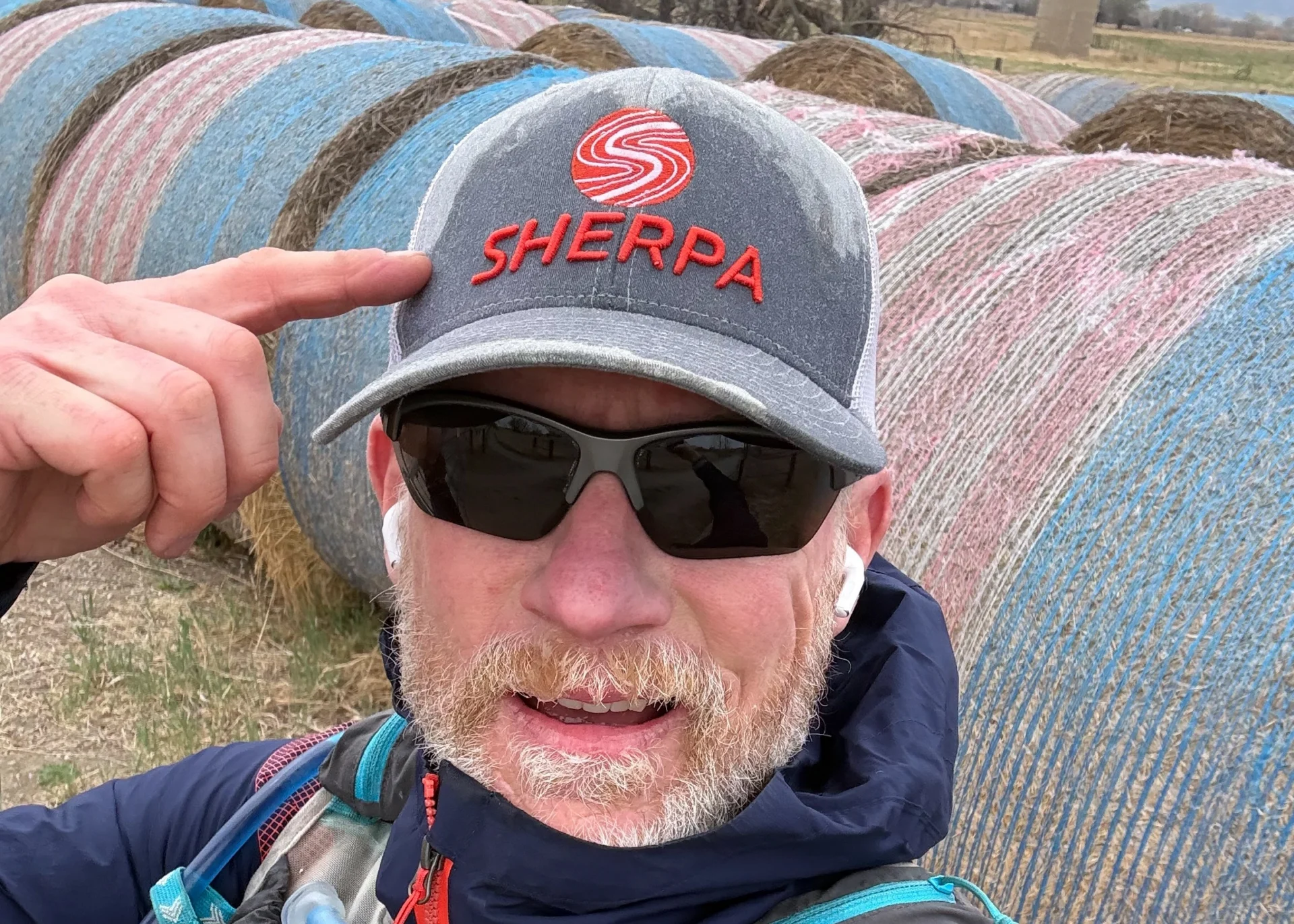
One of the best examples comes from climber Andy Pemberton, a longtime friend and client of Sherpa. Before attempting Everest, Pemberton spent months building the kind of fitness and confidence needed to handle one of the harshest environments on earth. And…he is raising awareness and funding for dignified housing options for families in Nepal.
His training was not random. It was specific.
That is the same principle we believe in at Sherpa.
You do not train just to exercise. You train to prepare for the challenge ahead.
Pemberton began with a long base of cardiovascular training.
He spent months doing long, low-intensity runs and hikes to build endurance. This kind of training strengthens the heart, lungs, and legs over time. It is not glamorous, but it is the foundation for almost every athletic goal.
For Everest, that meant preparing for hours of slow movement at high altitude.
For someone else, it could mean preparing for:
The body responds the same way. You build your base first.
At Sherpa in Westport, we often start people in exactly the same place. Before you can perform, you need the foundation.
That means improving:
Pemberton did more than run.
He tried to recreate the conditions he would face on Everest.
He climbed in the middle of winter. He trained in deep snow. He exposed himself to cold, wind, and long, uncomfortable days outside. He even built a homemade ladder bridge on his farm to practice staying calm while crossing narrow, unstable surfaces.
Because the closer your training is to the real challenge, the more prepared you will be.
If you are training for skiing, your plan should include balance, leg endurance, and stability.
If you are preparing for a long cycling season, you need cardiovascular fitness, strong hips and core muscles, and the ability to stay strong for hours.
If you want to hike in the mountains, you need more than strong legs. You need endurance, mobility, and the ability to keep moving when you are tired.
At Sherpa, we build programs around that exact idea. We look at the adventure, event, season, or goal in front of you, then create a plan that prepares your body for it.
That is what Move Your Boundaries means.
One of the biggest lessons from Everest training is that not every workout should be hard.
Most of Pemberton’s preparation involved long, steady efforts at an easier pace. Coaches call this base training.
Think of it like building the engine before you ask it to go fast.
Too many people jump right into intense workouts without first building the endurance and strength to support them. That often leads to frustration, plateaus, or injury.
Whether you are preparing for Everest or your first 5K, the process is similar:
That is how real progress happens.
One of the most interesting parts of Pemberton’s training was not physical. It was mental.
He practiced staying calm in difficult situations.
Crossing a shaky ladder in a snowy field may sound strange, but it helped him learn how to control his breathing, heart rate, and focus under pressure.
The same is true for any challenge.
Confidence does not come from hoping you are ready.
It comes from knowing you have done the work.
At Sherpa, that is why every program starts with assessment and a plan. We help you understand where you are now, where you want to go, and what steps will get you there. For many people, that starts with the Activity Readiness Check.
You do not need to climb Everest to train with the same principles.
You just need a goal.
Whether that is a stronger ski season, a hiking trip, a bike race, better endurance, or simply feeling more capable in daily life, the process is the same:
Train with purpose. Build your foundation. Prepare specifically for what lies ahead.
Beyond the Gym, that preparation becomes confidence.
Move Your Boundaries.
 https://www.sherpafit.com/wp-content/uploads/2026/09/sherpa-community-open-house-kiin-westport-location-launch.webp
793
1920
Adam Carr
http://www.sherpafit.com/wp-content/uploads/2025/02/Sherpa_West_Logo_White_RGB.png
Adam Carr2026-09-08 13:59:012026-09-09 12:38:51Westport Wellness Businesses Join Forces for Community Open House at 1555 Post Road East
https://www.sherpafit.com/wp-content/uploads/2026/09/sherpa-community-open-house-kiin-westport-location-launch.webp
793
1920
Adam Carr
http://www.sherpafit.com/wp-content/uploads/2025/02/Sherpa_West_Logo_White_RGB.png
Adam Carr2026-09-08 13:59:012026-09-09 12:38:51Westport Wellness Businesses Join Forces for Community Open House at 1555 Post Road East https://www.sherpafit.com/wp-content/uploads/2026/07/youth-athletic-development-westport-ct-sherpa-basecamp.webp
938
1920
Adam Carr
http://www.sherpafit.com/wp-content/uploads/2025/02/Sherpa_West_Logo_White_RGB.png
Adam Carr2026-07-15 10:56:192026-07-16 12:51:08Sherpa Basecamp: Helping Kids Build Strength, Confidence, and a Love for Movement
https://www.sherpafit.com/wp-content/uploads/2026/07/youth-athletic-development-westport-ct-sherpa-basecamp.webp
938
1920
Adam Carr
http://www.sherpafit.com/wp-content/uploads/2025/02/Sherpa_West_Logo_White_RGB.png
Adam Carr2026-07-15 10:56:192026-07-16 12:51:08Sherpa Basecamp: Helping Kids Build Strength, Confidence, and a Love for Movement https://www.sherpafit.com/wp-content/uploads/2026/06/sherpa-trainers-smiling-branded-shirts.webp
938
1920
Adam Carr
http://www.sherpafit.com/wp-content/uploads/2025/02/Sherpa_West_Logo_White_RGB.png
Adam Carr2026-06-12 11:03:242026-07-15 10:37:44Building a Complete Wellness Plan: Why Sherpa Believes in Partnerships
https://www.sherpafit.com/wp-content/uploads/2026/06/sherpa-trainers-smiling-branded-shirts.webp
938
1920
Adam Carr
http://www.sherpafit.com/wp-content/uploads/2025/02/Sherpa_West_Logo_White_RGB.png
Adam Carr2026-06-12 11:03:242026-07-15 10:37:44Building a Complete Wellness Plan: Why Sherpa Believes in Partnerships
Sherpa
1555 Post Road E, Westport, CT.
203-255-2320
info@sherpafit.com


Copyright © 2026 Sherpa.
View our Privacy Policy.

 Building a Complete Wellness Plan: Why Sherpa Believes in Partnerships